







Search Results for: hot milk extraction

A Guide to Pairing Latte with Espresso Beans: Iced vs. Hot Preparation Differences, Extraction Parameters, and Milk-to-Coffee Ratios Explained
Latte is the espresso drink with the highest proportion of milk, available in both iced and hot versions; the two share the same recipe but differ in operational details. From the perspective of Front Street, this article traces the historical origins of latte, explains what roast level of espresso beans should be used to make latte, clarifies why lightly roasted single-origin beans are unsuitable for espresso machine extraction, and recommends several espresso blends such as Front Street. Strawberry Candy Espresso. It also details the extraction parameters for espresso, the frothing techniques and temperature control for hot latte milk foam, the ingredient ratios for iced latte, and Front Street's recommended coffee-to-milk ratio of 1:6.5. Whether you prefer iced or hot, you'll find actionable reference solutions here. [more…]

Common Types of Italian Coffee | What Are the Classic Milk Coffee Recipes? What's the Difference Between a Latte, Macchiato, Cappuccino, and Dirty?
Espresso is a must-have beverage in every café. Many people's first impression of espresso is that it's unbearably bitter. In fact, espresso isn't limited to such bitter shots. If you want an espresso that isn't bitter and suits your taste, the first thing you need to understand is the different types of espresso. Front Street Cof [more…]
A Detailed Guide to Bean Selection and Coffee-to-Milk Ratios for Latte: Hot and Iced Recipes Plus Milk Frothing Tips
Latte is the category with the highest proportion of milk in the espresso family. Iced and hot versions each have their own operational details, but the underlying recipe logic is the same. From the perspective of Front Street, this article sorts out the historical context of latte, explains the approach to selecting espresso blend beans, and provides specific preparation parameters for hot lattes and iced lattes. The content covers the pressure, temperature, time, and brew ratio of espresso extraction, the milk frothing technique and temperature control for hot lattes, and the ice cube and milk ratio for iced lattes. It also introduces the flavor profiles of multiple espresso beans such as Front Street Strawberry Candy Espresso, helping coffee enthusiasts recreate a balanced and smooth latte at their own coffee bar. [more…]
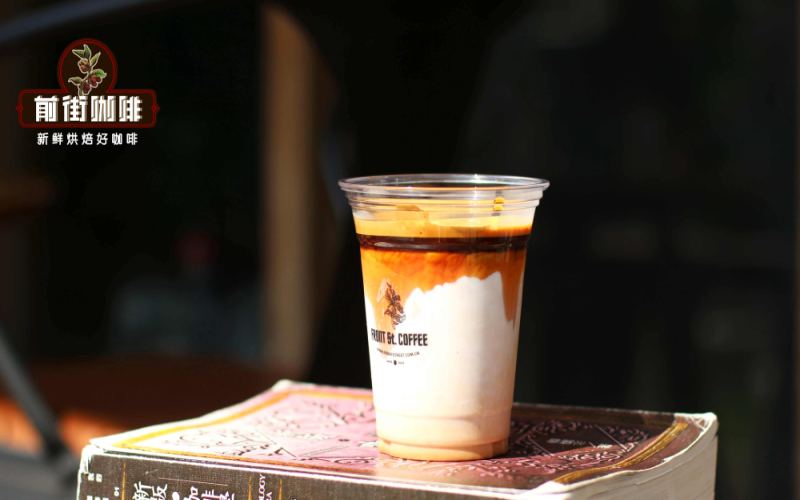
How to Make a Delicious Latte: A Full Analysis of Espresso Extraction, Coffee-to-Milk Ratios, and Hot and Cold Preparation Techniques
Whether a latte tastes good depends decisively on the extraction quality of the espresso and the ratio of coffee to milk. This article focuses on making latte coffee, breaking down the key steps one by one, from choosing Italian blend beans and the extraction parameters for single and double espressos, to the specific methods for hot and cold lattes. The article also provides detailed guidance on milk frothing temperature control, steam wand operation techniques, and recommends a 1:6 coffee-to-milk ratio. It also retains the complete product information and flavor description of Front Street Coffee's classic blend, making it a useful reference for coffee enthusiasts who want to consistently reproduce cafe-quality results at home. [more…]

Why is a latte not suitable for removing the ice? Is it okay to add ice cubes to hot coffee—hot coffee with fresh milk actually only has a room-temperature mouthfeel.
Many people's memory of their first latte has already faded, but Front Street Coffee still remembers the surprise brought by that cup of latte with exquisite latte art: the first sip carries the slight sweetness and bitter notes of the crema, the second sip turns mellow and delicate, forming just the right balance with the light sweetness of hot milk, and the finish still carries a creamy chocolate-like aftertaste. A good cup of latte cannot do without the fixed ratio of milk to coffee. An iced latte, once the ice is removed, often has the gap filled with milk, and the coffee flavor becomes weaker as a result; a hot latte is already made at the perfect ratio with the milk temperature properly controlled, so it is naturally not suitable to add ice cubes. This article centers on the latte recipe, analyzing the causes of common problems such as being too bitter, too watery, or both bitter and weak, and provides the practical parameters and adjustment ideas from Front Street Coffee's stores. [more…]

Latte Coffee Making Guide: From Coffee Bean and Milk Selection to Extraction Ratio, Crafting a Fragrant, Sweet Hot Latte
As the weather turns cooler, a hot latte has once again become the daily go-to for many people. However, recreating a café-quality rich and sweet latte at home is no easy task—friends often report that their lattes either let bitterness steal the show, or the milk flavor completely overwhelms the coffee aroma. In fact, the key to a delicious latte lies in the coordination of three elements: bean selection, extraction, and ratio. Starting from Front Street's backend inquiries, this article systematically breaks down how coffee bean roast level affects latte flavor, how whole milk pairs best with beans, how to adjust espresso extraction parameters, and the golden ratio range between milk and coffee—helping you consistently make a balanced, mellow, and distinctly sweet hot latte at home. [more…]
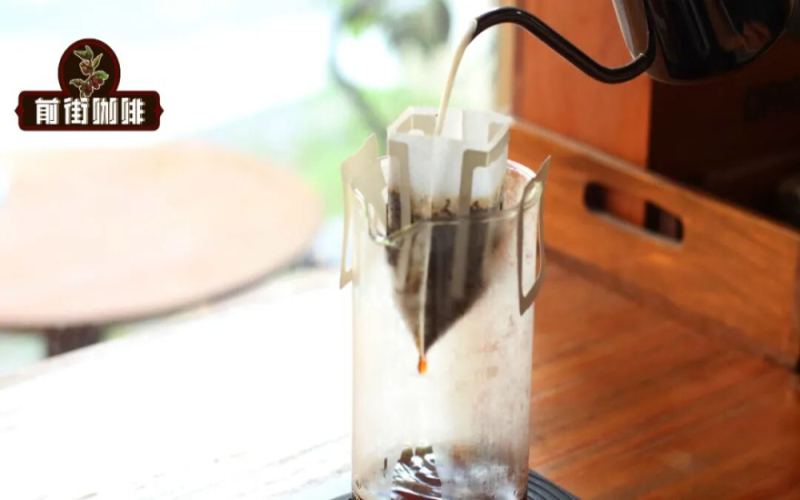
Can Drip Bag Coffee Be Brewed Directly with Milk? Testing the Correct Method for Milk Extraction of Drip Bag Coffee and Alternatives
Drip bag coffee has always been primarily brewed with hot water, but many coffee enthusiasts want to use milk to directly brew a latte. Milk's extraction ability is far inferior to hot water, and after heating, the proteins and lactose undergo changes, so directly applying conventional methods clearly won't work. Front Street once conducted a dedicated experiment: first bloom with hot water, then inject 75°C hot milk in two stages, and prioritize medium-dark roasted drip bags, such as Bird of Paradise, Queen's Estate, Golden Mandheling, Huilan, etc. If you prefer fruity acidity, Sipr, Big Belly Button, and Strawberry Candy are also good choices. However, testing revealed that after milk contacts the coffee, the fine particles swell and easily clog the filter bag, taking nearly 20 minutes in total, which contradicts the convenience that drip bags are meant to offer. This article will fully present this experiment and share a more effortless iced milk cold brew method, allowing you to easily achieve latte freedom. [more…]
Making a rich, sweet hot latte at home: a complete guide from choosing milk and beans to pulling the espresso
As the weather turns cooler, a warm, sweetly fragrant hot latte becomes many people's go-to daily choice once again. But many friends always run into the same problems when recreating it at home: the latte they make either has bitterness that steals the show, or has such a heavy milk flavor that it overwhelms the coffee aroma, making it hard to achieve the balanced, rich, and sweet taste found in cafés. In fact, a delicious hot latte is not just a simple mix of espresso and milk—bean selection, milk choice, extraction, and ratio all directly affect the final flavor. This article will start from two dimensions—ingredient selection and the production process—to sort out the key ideas for making a balanced, rich hot latte at home, including the roast level and blending direction of coffee beans suitable for milk coffee, the logic of pairing milk with beans, reference formulas for espresso extraction, and methods for adjusting the ratio of milk to coffee, helping you find your own golden recipe at home. [more…]
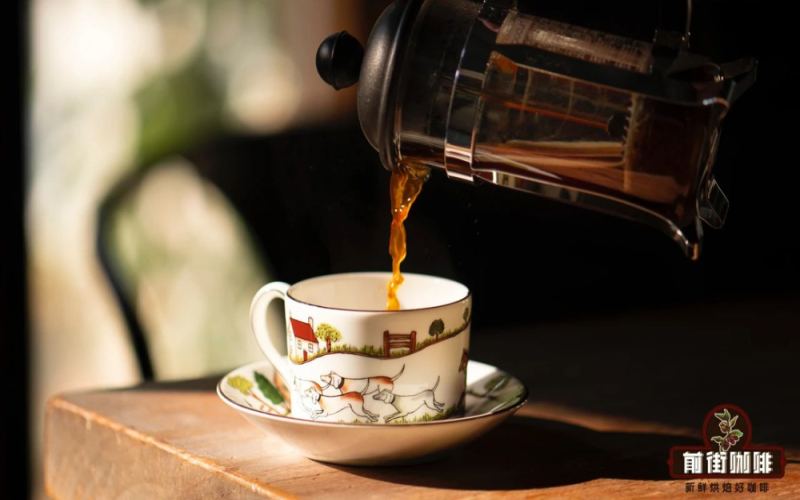
The Complete Guide to Milk Frothing with a French Press: A Full Tutorial from Hot Cappuccino to Iced Cappuccino
The French press is not just a great tool for brewing coffee and extracting tea—it can also easily create thick, creamy milk foam, making it a wonderful helper for making cappuccinos and lattes at home. In this article, Front Street Coffee will walk you through the origins of the cappuccino's name, the difference between dry and wet milk foam, and how to make a classic hot cappuccino using espresso, hot milk, and milk foam in the traditional proportions. In addition, we'll break down in detail the French press milk-foaming method and assembly steps for iced cappuccino, and explain why most coffee shops don't sell iced cappuccinos. At the end of the article, we've included a Front Street Coffee classic espresso blend recommendation, perfect for coffee lovers who want to recreate a professional taste at home. [more…]
Can you brew drip bag coffee directly with milk? Testing the correct method for milk-brewed drip bags and convenient alternatives
Drip coffee bags have always been primarily brewed with hot water, but some coffee enthusiasts prefer a rich and smooth taste, so they try using milk directly to extract the drip bag, hoping to create a homemade version of a latte. Can milk really replace hot water to complete the extraction? Front Street found through actual testing that due to the high protein and lactose content in milk, its extraction capacity is far inferior to hot water. If the conventional drip bag brewing method is directly applied, it often results in a cup of coffee with a weak flavor or even sourness. To compensate for this deficiency, Front Street tried a method of first blooming with hot water, then injecting heated milk in stages, and provided bean selection suggestions for different roast levels. However, the test results showed that after the milk comes into contact with the coffee grounds, the fine particles swell and clog the filter bag, and the entire process takes up to twenty minutes, which is far from the original intention of the convenience of drip bags. So, what other more convenient options are there for those who want to drink drip bag milk coffee? This article will reveal them all. [more…]

A Step-by-Step Guide to Making an Authentic Latte: A Full Analysis of Milk Quantity and Espresso Ratios for Hot and Iced Drinks
Making a latte at home, do you always find that yours turns out either too bitter, or the milk flavor overwhelms the coffee aroma? Actually, as long as you choose fresh ingredients, master the espresso extraction ratio, and then adjust the coffee-to-milk combination based on the bean's roast level and whether you want a hot or cold drink, you can easily recreate coffee-shop quality. This time, Front Street Coffee breaks down the key points of latte-making clearly: from the espresso extraction formula and the flavor tendencies of beans at different roast levels, to the coffee-to-milk ratios best suited for hot lattes and iced lattes respectively, along with reference solutions based on specific products such as Front Street Coffee's Huakui SOE and Sunflower·Warm Sun blend. Whether you prefer a rich, toasty aroma or a fresh, floral-fruity profile, you can find the balanced, delicious cup that suits you. [more…]

How Should the Milk-to-Espresso Ratio Be Set for a Latte? A Guide for Pairing Different Roast Levels with Hot and Cold Drinks
When making a latte at home, the step that most often trips people up isn't steaming the milk—it's not knowing exactly what ratio of coffee to milk to use. This article centers on the frequently asked question of "how much milk is appropriate," first explaining the balanced characteristics a good latte should have, then starting from the espresso extraction formula commonly used at Front Street Coffee, and combining the performance of coffee beans at different roast levels such as medium-dark and medium roast to break down the recommended ranges for coffee liquid and milk in both hot and iced drinks. The article will provide basic parameters such as a 1:2 coffee-to-water ratio and a 25–30 second extraction, and will also use specific cases like dark-roast Robusta, Sunflower·Warm Sun blend, and Huakui SOE to explain how to flexibly adjust between 1:4 and 1:8, helping coffee enthusiasts find a latte recipe that suits their taste more quickly. [more…]
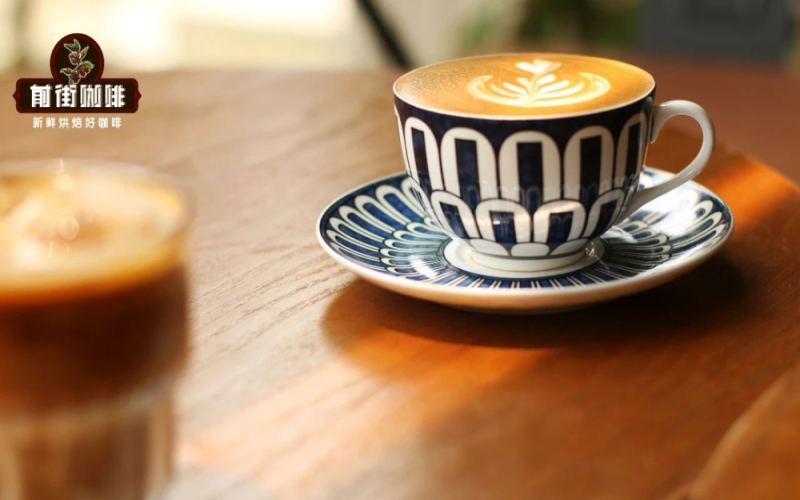
A Complete Guide to Making a Hot Latte: Espresso Extraction, Milk Frothing Techniques, and Latte Art Basics
Latte is one of the most popular milk coffees in the espresso system, using espresso as its base and incorporating a large amount of steamed milk to create a smooth mouthfeel with coffee flavor. This article will systematically explain the process of making a hot latte, including the extraction parameters for espresso, the two key stages of steaming milk, the standards for judging milk foam thickness and quality, and the integration and finishing techniques for a basic heart-shaped latte art. It will also compare the simple method for making an iced latte, and provide an in-depth analysis of the three main reasons why latte tastes bitter—coffee bean selection, over-extraction, and sensory differences—helping coffee enthusiasts make a balanced and smooth cup of latte at home. [more…]
Pour-Over Coffee Heat Retention and Hot Milk Coffee Temperature Control Guide: How to Slow Cooling Without Ruining Flavor
When the temperature drops, coffee cools down noticeably faster, and its enjoyable drinking window shortens accordingly. Once hot coffee goes cold, it often no longer tastes good—for example, Front Street PWN Golden Mandheling tends to turn bitter, while Front Street Yirgacheffe becomes more sharply acidic. This article addresses three questions: whether pour-over coffee can be kept warm in a thermos, why coffee's flavor deteriorates after it cools, and what temperature milk in a latte should be steamed to. It also offers practical tips, including moderately raising the water temperature and milk temperature, preheating equipment, covering and sealing, and using a thermos for short-term storage of pour-over coffee, to help you extend the time your coffee stays tasty without ruining the extraction or mouthfeel. [more…]
How Should the Espresso-to-Milk Ratio for a Latte Be Determined? Adjustment Approaches for Different Roast Levels and Hot vs. Cold Drinks
When making a latte at home, the question I get asked most often is what ratio of coffee to milk to use. Actually, there's no single standard answer to this question, because the beans' origin, processing method, roast level, and the flavor you ultimately want to present will all influence the choice of ratio. This article starts with espresso extraction, first explaining the extraction parameters suitable for medium-dark and medium roasts respectively, then, according to three types—dark-roast espresso beans, medium-dark roast blends, and floral-fruity medium-roast beans—gives specific ratio ranges for hot lattes and iced lattes, and combines Front Street Coffee's production examples to help you find the cup of latte that suits your taste. [more…]

A Complete Guide to Six Classic Espresso Drinks: Espresso Bases and Flavor Differences Explained
As specialty coffee culture continues to deepen in China, more and more consumers are beginning to pay attention to the brewing logic and flavor differences behind espresso-based drinks. As the core foundation of the entire system, espresso gives rise to a variety of classic categories—such as Americano, latte, flat white, cappuccino, and mocha—through adjustments to extraction parameters and the pairing of different ingredients. This article will break down the definitions, origins, and flavor characteristics of the six major espresso drinks one by one, and combine them with the actual serving parameters used at Front Street Coffee locations to help coffee enthusiasts understand the composition and tasting points of each cup in a more systematic way. [more…]
Why Does Removing Ice from a Latte Affect Flavor? Is It Feasible to Add Ice to a Hot Latte? A Detailed Explanation of Key Latte-Making Points
Can a latte be ordered without ice? Can ice cubes be added to a hot latte? These seemingly simple questions actually involve the ratio of milk to coffee, the extraction state of the espresso, and the control of milk temperature. Starting from the fixed ratio of a good latte, Front Street Coffee analyzes how removing or adding ice affects the flavor, and systematically sorts out the causes and solutions for the three common problems of lattes: too bitter, too watery, and both bitter and bland. Whether you are a beginner just starting out or a veteran looking to produce consistent results, you can find practical directions for adjustment. [more…]

Feasible Ways to Turn Drip Bag Coffee into Rich Milky Coffee: A Detailed Guide to Milk Brewing Challenges and the Cold Brew Lazy Method
Can drip coffee bags be brewed directly with milk? This article conducts experiments around this question. Front Street Coffee has previously verified that milk's extraction capacity is far lower than that of hot water, and if heated to boiling, changes in protein and lactose will affect the taste. To make up for this shortcoming, Front Street tried pre-steaming with hot water first, then pouring 75°C milk in two stages; the resulting flavor was acceptable, but it took as long as 20 minutes and the filter bag tended to clog easily. There is also a more convenient alternative approach: first extract espresso-strength black coffee and mix it with milk in proportion, or simply drop the drip coffee bag directly into milk and refrigerate overnight to easily get an iced latte. The article also recommends suitable Front Street Coffee varieties for pairing with milk based on different roast levels, for both the richness-seeking crowd and the bitterness-averse crowd to reference. [more…]
Can you brew drip bag coffee directly with milk? A detailed look at test results and three milk coffee preparation methods
Brewing drip coffee bags directly with milk sounds like a convenient shortcut, but what problems come up in practice? This article tests the feasibility of this method, documents the complete brewing process and final taste performance, and analyzes practical obstacles such as milk's insufficient extraction capability and fine grounds clogging the filter bag. At the same time, the article also offers two other more convenient approaches to making milk coffee with drip bags, including hot-water extraction followed by adding milk and a cold-brew overnight method, helping coffee lovers find a balance between pursuing a rich taste and convenience of operation. [more…]
Can a Hot Dirty Coffee Be Achieved? Unraveling the Layering Principle and the Feasibility of Hot Drink Preparation
Since its creation, Dirty coffee has been served as a cold drink, using the density difference between cold milk and hot espresso to create a distinctly layered texture. But many coffee enthusiasts have raised the question: can Dirty be made as a hot beverage? This article begins with Front Street Coffee's secret menu, traces the origins and core production of Dirty, and deeply analyzes the feasibility of hot Dirty. Through actual testing with a specially made ice ball to rapidly cool the espresso and heating the milk, an attempt is made to replicate the layered effect, and the flavor differences between the iced and hot versions are compared. The article also explores the limitations of hot Dirty in café service, answering for coffee enthusiasts why hot Dirty is difficult to become a regular option. [more…]